
The allure of gambling: Understanding the appeal
The allure of gambling in casinos has captivated individuals for centuries, drawing people from diverse backgrounds. This attraction often arises from a blend of excitement, the potential for financial gain, and social interaction. The vibrant atmosphere of a casino, filled with flashing lights and the sounds of spinning wheels and ringing coins, creates a sensory experience that can be both exhilarating and addictive. For those looking to enhance their gaming experience, 1win offers a variety of options that significantly contribute to why people choose to engage in gambling activities, often seeking the thrill that accompanies the possibility of winning.
Moreover, the psychological aspects of risk and reward heavily influence a gambler’s decision-making process. The thrill of placing a bet and the tantalizing prospect of winning big can trigger a rush of adrenaline. This biochemical reaction in the brain often leads to feelings of euphoria, reinforcing the behavior and encouraging individuals to gamble more frequently. Over time, this can create a cycle where the gambler continually seeks that initial high, often overlooking the actual odds in favor of excitement. This cycle can be particularly dangerous, as it can lead to compulsive gambling habits.
The social dimension of gambling should not be underestimated. Casinos serve as venues for social gatherings, where individuals come together to share experiences. Whether it’s celebrating a friend’s milestone or enjoying a night out with loved ones, the communal aspect of gambling can amplify its appeal. This sense of belonging fosters connections among individuals, often encouraging them to continue participating even in the face of losses. The combination of excitement, social interaction, and the possibility of financial gain creates a potent mix that keeps individuals returning to casinos.
The role of cognitive biases in gambling behavior
Cognitive biases are fundamental in shaping gambling behavior, particularly in how individuals assess risks and rewards. One prevalent bias is the illusion of control, where gamblers believe they can influence the outcome of games of chance through their actions or strategies. This mistaken belief often leads to riskier bets and prolonged gaming sessions, as gamblers feel empowered by their perceived control over outcomes. Such biases can cloud judgment and make it challenging for individuals to recognize when to walk away, contributing to problematic gambling behavior.
Another significant cognitive bias is the gambler’s fallacy, where individuals assume that past outcomes will influence future results. For instance, if a player notices that a particular number hasn’t appeared in a while, they may believe it is “due” to win. This fallacious thinking can foster overconfidence, resulting in increased betting as players disregard the inherent randomness of games like roulette or slot machines. Such biases often lead to financial losses, yet they persist due to the powerful psychological effects involved, reinforcing the gambler’s belief that they can outsmart the odds.
Additionally, confirmation bias plays a crucial role in how gamblers interpret their past experiences. Players may focus on their wins while conveniently forgetting their losses, reinforcing the belief that gambling is a viable path to financial success. This distortion of reality can encourage further gambling, as individuals cling to the unfounded conviction that they can “beat the odds.” Understanding these cognitive biases is paramount in addressing gambling behavior and fostering healthier habits among enthusiasts, highlighting the importance of self-awareness in combating these psychological traps.
The impact of environment on gambling decisions
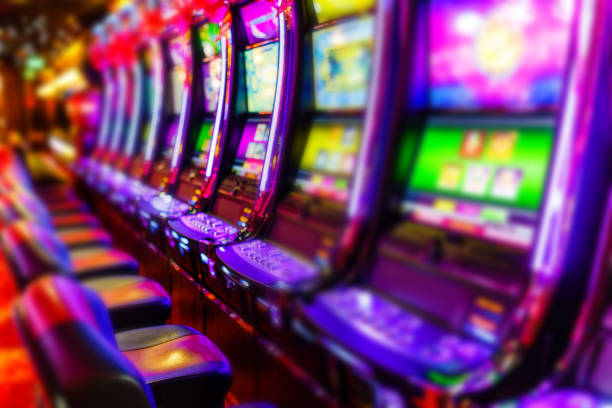
The physical environment of a casino is meticulously designed to enhance the gambling experience. Elements such as lighting, color schemes, and even sounds play a pivotal role in shaping a gambler’s mindset. Bright lights and vibrant colors are strategically used to create an inviting atmosphere that encourages players to engage and continue playing. The absence of clocks aids in creating a sense of timelessness, making it easier for individuals to lose track of time and gamble longer than they initially intended, often leading to unintended financial consequences.
Moreover, the layout of a casino is crafted to maximize foot traffic and entice patrons to explore. Games are purposely positioned to capture attention and create a sense of excitement. High-stakes tables are often placed prominently, while gaming machines are configured in clusters to draw players in. This immersive environment heightens the overall experience, creating a space where gamblers feel compelled to participate in the activities available. The careful orchestration of elements within the casino environment significantly influences decision-making and behaviors related to gambling.
Social influences also extend to the gambling environment. The presence of other players can create a sense of competition, motivating individuals to place higher bets or gamble for longer periods. Observing others winning can trigger aspirations and desires to replicate their success, further driving individuals to partake in certain gambling activities. Overall, the multifaceted impact of the casino environment significantly shapes behavior and decisions, influencing how individuals engage with gambling. The combination of enticing surroundings and social dynamics creates a compelling atmosphere that keeps patrons returning.
The psychological aftermath of gambling
The psychological aftermath of gambling can be intricate and multifaceted. While many may experience a temporary rush from wins, the reality of losses often leads to feelings of guilt, shame, or regret. This emotional rollercoaster fosters a tumultuous relationship with gambling, where initial excitement can quickly transform into anxiety or depression. Gamblers may find themselves grappling with the repercussions of their choices, leading to detrimental consequences in various aspects of their lives, including work and personal relationships.

Furthermore, compulsive gambling can escalate into a serious addiction for some individuals. The desire to chase losses and regain a sense of control can result in escalating gambling behavior, creating a spiral that is difficult to escape. As gambling consumes more time and resources, the negative impact on mental health intensifies. Individuals may experience heightened levels of stress or anxiety as they navigate the pressures of financial instability and the burdens associated with their gambling habits. This cycle can trap individuals in a state of despair, complicating their ability to seek help.
Recognizing the psychological effects of gambling is crucial for seeking help and support. Many individuals do not fully realize the extent to which gambling has affected their mental well-being until significant damage has occurred. Therapy and support groups can provide invaluable resources for those struggling with gambling addiction, helping them process their experiences and develop healthier coping mechanisms. By addressing the psychological aspects of gambling, individuals can work towards recovery and cultivate a more balanced perspective on risk and reward, ultimately promoting a healthier relationship with gambling.
Resources for responsible gambling and education
As the conversation surrounding gambling evolves, educational resources have become increasingly important in promoting responsible gambling practices. Numerous organizations focus on providing information about the risks associated with gambling and strategies for maintaining control. These resources aim to empower individuals to make informed decisions and understand the signs of problematic gambling behavior. Education plays a crucial role in enabling gamblers to set personal limits and foster healthier engagement with gambling activities, thereby minimizing potential harm.
Websites dedicated to responsible gambling offer a wealth of information, including self-assessment tools and advice on recognizing when gambling becomes problematic. Encouraging individuals to evaluate their behavior can lead to increased awareness and the ability to make positive changes. Many resources also provide access to helplines and support groups tailored to those in need, facilitating easier access to assistance when necessary. By promoting education and awareness, the gambling community can help mitigate the risks associated with excessive gambling.
In addition to educational efforts, many casinos are implementing responsible gambling initiatives to create a safer environment for patrons. These initiatives often include training employees to identify signs of problem gambling and offering solutions such as self-exclusion programs. By investing in these resources, the gambling industry can contribute to fostering a healthier gambling culture, reducing the adverse effects related to excessive gambling. The commitment to responsible practices not only benefits the patrons but also enhances the reputation of the gambling industry as a whole.